



Is Interior Basement Waterproofing the Right Solution?
Interior waterproofing is designed to manage water that enters the basement and direct it safely away from your home. It’s often the right choice—but not always.
Interior basement waterproofing may make sense if:
Water appears along the floor–wall joint
Moisture returns after heavy rain
Exterior access is limited
Your basement is finished and excavation isn’t ideal
Interior basement may not be the right solution if:
Water is clearly penetrating through foundation walls
Exterior cracks are visible and accessible
A long-term exterior repair is more appropriate
Common Basement Leak Symptoms Interior Waterproofing Solves
Damp basement floors that never fully dry
Moisture behind finished walls with no visible source
Recurring seepage in the same location
Musty odours that come back despite cleaning
How Interior Basement Waterproofing Works (Plain and Simple)
Water is collected at key entry points inside the basement
It’s redirected through a drainage system
Water is safely discharged away from the home

Interior vs Exterior Waterproofing — What’s the Difference?
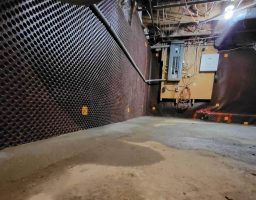
Interior Waterproofing
Approx. Cost: $2,100–$2,700
Manages water inside the basement
Less invasive than excavation
Often faster to install
Does not stop exterior water from reaching the foundation
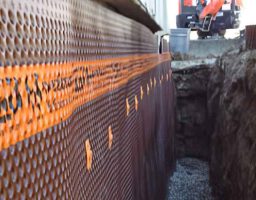
Stops water before it enters
Requires excavation
Offers the most complete protection
Typically higher cost
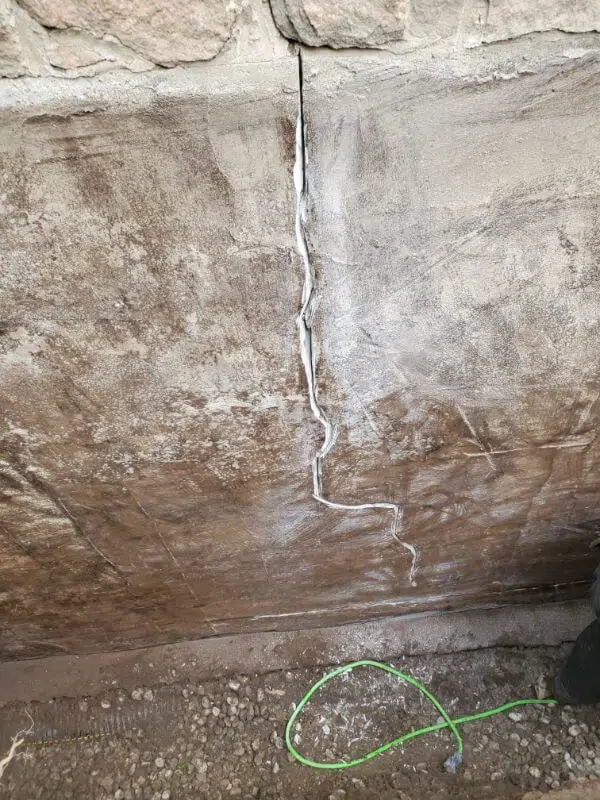
When Interior Waterproofing Is Often Recommended in Toronto Homes
Basements are fully finished
Access around the foundation is limited
Water enters consistently at interior joints
Previous exterior repairs didn’t resolve the issue
Managing groundwater is more practical than excavation
What an Interior Waterproofing Inspection Looks Like
Identify where water is entering
Determine whether interior waterproofing is appropriate
Explain all available options clearly
Outline what the repair involves and why
Answer your questions before any work is recommended

Common Waterproofing Mistakes We’re Called In to Fix
Interior systems installed without proper diagnosis
Partial drainage systems that missed the problem area
Sump pumps added without managing water flow
Repairs that hid symptoms instead of fixing the cause

Request a Free Basement Waterproofing Quote
What Affects the Cost of Interior Basement Waterproofing?
Basement size and layout
Location of water entry
Finished vs unfinished spaces
Sump pump requirements
Access and installation scope

What to Expect When You Hire MT Drains
On-site inspection and leak tracing
Clear explanation of findings
A defined scope of work
Professional installation
Clean job site and final walkthrough
Interior Basement Waterproofing Projects in Toronto
Drainage systems for floor–wall joint leaks
Interior solutions for finished basements
Sump pump installations and upgrades
Long-term fixes for recurring seepage
“We’re here to solve the issue, not just patch it. Every system we install is meant to last—and we stand behind it.”

Why Toronto Homeowners Choose MT Drains
Experience That Matters
We’ve handled thousands of drainage and waterproofing projects across the GTA.
Licensed, Insured, Accountable
Your home is protected from start to finish.
No Pressure Recommendations
We explain your options and let you decide.
Work Designed to Last
Every system is installed for long-term performance.
FAQ
Blog

Why Does My Basement Sump Pump Smell Bad?
A foul smell coming from your sump pump isn’t just unpleasant—it can point to a maintenance issue, a drainage problem, or even potential health risks.

Efflorescence Streaks on Basement Walls: Cosmetic Issue or Water Intrusion?
Efflorescence is a common issue in concrete and masonry basements. It shows up as white, powdery streaks or flakes on the wall surface. In many

Why Your Basement Leaks in Heavy Rain—and How to Fix It
Heavy rain increases groundwater levels around your home. When water builds up against the foundation, it exposes weak points. If your basement leaks during storms,


